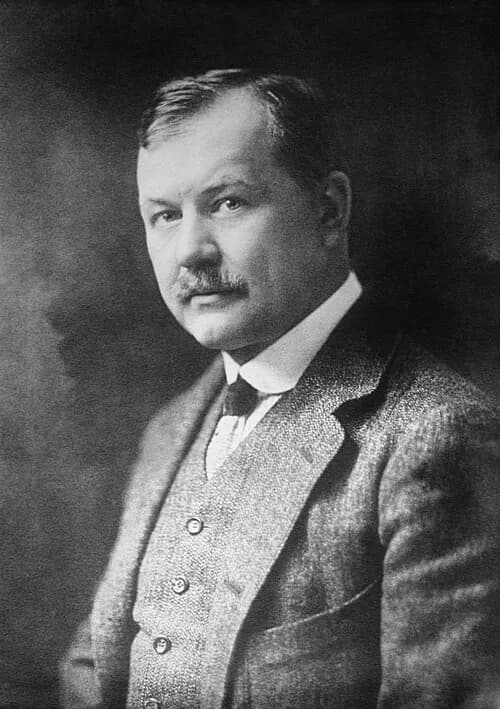
Franz Lehár
- Years
- 1870–1948
- Nationality
- Hungary
- Born in
- Komárom
- Works
- 416
- Recordings
- 1,649
Also a performer
Franz Lehár · Conductor
117 recordings in this catalogue
Franz Lehár (1870–1948) was a Late Romantic composer from Hungary. This catalogue lists 416 recorded works across 1,649 recordings. Most recorded forms: Lied, Opera, Overture.
Top tracks on Spotify
The Spotify player is not loaded until you ask for it. Clicking loads content from Spotify, which may set cookies and process your IP address under Spotify's privacy policy.
Born
April 30, 1870
Komárom
Died
October 24, 1948
By Form
Top Performers

Philharmonia Orchestra
Orchestra · 217 rec
Otto Ackermann
Conductor · 142 rec

Munich Symphony Orchestra
Orchestra · 135 rec

Franz Lehár
Conductor · 114 rec
Willy Mattes
Conductor · 111 rec

Munich Radio Orchestra
Orchestra · 91 rec
Nicolai Gedda
Soloist · 91 rec
.jpg?width=120)
Symphony Orchestra of the Volksoper Vienna
Orchestra · 89 rec

Richard Tauber
Conductor · 87 rec

Elisabeth Schwarzkopf
Soloist · 81 rec
Franz Marszalek
Conductor · 71 rec
Franz Bauer-Theussl
Conductor · 67 rec