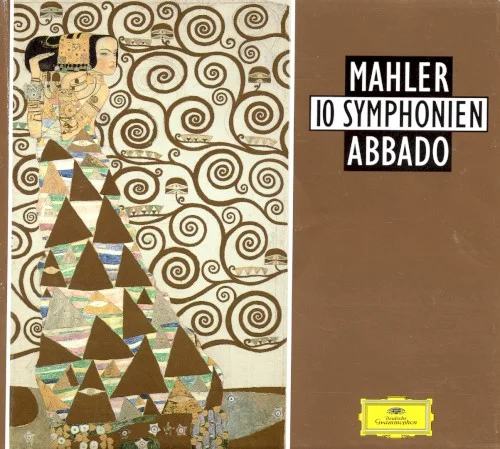
10 Symphonien (1995), CD, on Deutsche Grammophon. Music by Gustav Mahler, performed by Claudio Abbado, Dietrich Knothe, Gerhard Schmidt-Gaden, Erwin Ortner; 147 tracks.
Composer
Tracklist
Disc 1
Symphonie no. 1: I. Langsam. Schleppend. Wie Ein Naturlaut - Im Anfang Sehr Gemächlich
Symphonie no. 1: II. Kräftig bewegt, doch nicht zu schnell - Trio. Recht gemächlich
Symphonie no. 1: III. Feierlich und gemessen, ohne zu schleppen
Symphonie no. 2 "Auferstehungs-Symphonie": I, Ziffer 7. Sehr mäßig und zurückhaltend
Symphonie no. 2 "Auferstehungs-Symphonie": I, Ziffer 15. Schnell
Disc 2
Symphonie no. 2 "Auferstehungs-Symphonie": II. Andante moderato. Sehr gemächlich
Symphonie no. 2 "Auferstehungs-Symphonie": II, 1 Takt vor Ziffer 3. Nicht eilen. Sehr gemächlich
Symphonie no. 2 "Auferstehungs-Symphonie": II, Ziffer 5. In Tempo I zurückkehren
Symphonie no. 2 "Auferstehungs-Symphonie": II, Ziffer 6. Energisch bewegt
Symphonie no. 2 "Auferstehungs-Symphonie": II, Ziffer 12. Wieder ins Tempo zurückgehen. Tempo I
Symphonie no. 2 "Auferstehungs-Symphonie": III. [Scherzo]. In ruhig fließender Bewegung
Symphonie no. 2 "Auferstehungs-Symphonie": III, Ziffer 40. Sehr getragen und gesangvoll
Symphonie no. 2 "Auferstehungs-Symphonie": III, Ziffer 43. Zum Tempo I zurückkehren - attacca:
Symphonie no. 2 "Auferstehungs-Symphonie": V. Im tempo des Scherzos. Wild herausfahrend
Symphonie no. 2 "Auferstehungs-Symphonie": V, Ziffer 3. Langsam
Symphonie no. 2 "Auferstehungs-Symphonie": V, Ziffer 7. Im Anfang sehr zurückgehaltenn
Symphonie no. 2 "Auferstehungs-Symphonie": V, Ziffer 10. Wieder sehr breit
Symphonie no. 2 "Auferstehungs-Symphonie": V, 3 Takte vor Ziffer 14. Molto ritenuto. Maestoso
Symphonie no. 2 "Auferstehungs-Symphonie": V, Ziffer 21. Wieder zurückhaltend
Symphonie no. 2 "Auferstehungs-Symphonie": V, Ziffer 29. Sehr langsam und gedehnt
Disc 3
Symphonie no. 3: Abteilung I: I, Ziffer 13. Langsam. Schwer
Symphonie no. 3: Abteilung I: I, Ziffer 43. Immer dasselbe Tempo (Marsch)
Symphonie no. 3: Abteilung I: I, 3 Takte nach Ziffer 54. (Allegro moderato)
Symphonie no. 3: Abteilung II: II. Tempo di Menuetto. Sehr mäßig
Symphonie no. 3: Abteilung II: II, Ziffer 14. Ganz plötzlich gemächlich. Tempo di Menuetto
Symphonie no. 3: Abteilung II: III. Comodo. Scherzando. Ohne Hast
Symphonie no. 3: Abteilung II: III, Ziffer 6. Wieder sehr gemächlich, wie zu Anfang
Symphonie no. 3: Abteilung II: III, Ziffer 14. Sehr gemächlich (Posthorn)
Disc 4
Symphonie no. 3: Abteilung II: IV. Sehr langsam. Misterioso. Durchaus ppp
Symphonie no. 3: Abteilung II: IV, 6 Takte nach Ziffer 6. Più mosso subito
Symphonie no. 3: Abteilung II: V. Lustig im Tempo und keck im Ausdruck
Symphonie no. 3: Abteilung II: VI. Langsam. Ruhevoll. Empfunden
Symphonie no. 3: Abteilung II: VI, Ziffer 4. Nicht mehr so breit
Symphonie no. 3: Abteilung II: VI, Ziffer 9. Tempo I. Ruhevoll
Symphonie no. 3: Abteilung II: VI, Ziffer 14. a tempo (Etwas bewegter)
Disc 5
Disc 6
Symphony no. 5: Teil I: I. Trauermarsch. In gemessenem Schritt. Streng. Wie ein Kondukt
Disc 7
Disc 8
Symphony no. 6 in A minor: IV. Finale. Allegro moderato - Allegro energico
Symphony no. 8: Teil 1. Hymnus "Veni, creator spiritus": 1. "Veni, creator spiritus"
Gustav Mahler - Symphony no. 8 in E-flat major “Symphony of a Thousand”: Part II. Closing Scene from Goethe's Faust: p. "Alles Vergängliche ist nur ein Gleichnis" (Chorus Mysticus, soloists)
Symphony no. 8: Teil 1. Hymnus "Veni, creator spiritus": 2. "Imple superna gratia"
Gustav Mahler - Symphony no. 8 in E-flat major “Symphony of a Thousand”: Part II. Closing Scene from Goethe's Faust: p. "Alles Vergängliche ist nur ein Gleichnis" (Chorus Mysticus, soloists)
Symphony no. 8: Teil 1. Hymnus "Veni, creator spiritus": 3. "Infirma nostri corporis"
Gustav Mahler - Symphony no. 8 in E-flat major “Symphony of a Thousand”: Part II. Closing Scene from Goethe's Faust: p. "Alles Vergängliche ist nur ein Gleichnis" (Chorus Mysticus, soloists)
Symphony no. 8: Teil 1. Hymnus "Veni, creator spiritus": 4. Tempo I. (Allegro, etwas hastig)
Gustav Mahler - Symphony no. 8 in E-flat major “Symphony of a Thousand”: Part II. Closing Scene from Goethe's Faust: p. "Alles Vergängliche ist nur ein Gleichnis" (Chorus Mysticus, soloists)
Symphony no. 8: Teil 1. Hymnus "Veni, creator spiritus": 5. "Infirma nostri corporis"
Gustav Mahler - Symphony no. 8 in E-flat major “Symphony of a Thousand”: Part II. Closing Scene from Goethe's Faust: p. "Alles Vergängliche ist nur ein Gleichnis" (Chorus Mysticus, soloists)
Symphony no. 8: Teil 1. Hymnus "Veni, creator spiritus": 6. "Accende lumen sensibus"
Gustav Mahler - Symphony no. 8 in E-flat major “Symphony of a Thousand”: Part II. Closing Scene from Goethe's Faust: p. "Alles Vergängliche ist nur ein Gleichnis" (Chorus Mysticus, soloists)
Symphony no. 8: Teil 1. Hymnus "Veni, creator spiritus": 7. "Veni, creator spiritus"
Gustav Mahler - Symphony no. 8 in E-flat major “Symphony of a Thousand”: Part II. Closing Scene from Goethe's Faust: p. "Alles Vergängliche ist nur ein Gleichnis" (Chorus Mysticus, soloists)
Disc 9
Symphonie no. 8: Teil 2. Schlußszene aus Goethes "Faust II": 1. Poco Adagio
Gustav Mahler - Symphony no. 8 in E-flat major “Symphony of a Thousand”: Part II. Closing Scene from Goethe's Faust: a. Poco adagio
Symphonie no. 8: Teil 2. Schlußszene aus Goethes "Faust II": 2. Più mosso (Allegro moderato)
Gustav Mahler - Symphony no. 8 in E-flat major “Symphony of a Thousand”: Part II. Closing Scene from Goethe's Faust: b. Più mosso (Allegro moderato)
Symphonie no. 8: Teil 2. Schlußszene aus Goethes "Faust II": 3. "Waldung, sie schwankt heran"
Gustav Mahler - Symphony no. 8 in E-flat major “Symphony of a Thousand”: Part II. Closing Scene from Goethe's Faust
Symphonie no. 8: Teil 2. Schlußszene aus Goethes "Faust II": 4. "Ewiger Wonnebrand"
Gustav Mahler - Symphony no. 8 in E-flat major “Symphony of a Thousand”: Part II. Closing Scene from Goethe's Faust
Symphonie no. 8: Teil 2. Schlußszene aus Goethes "Faust II": 5. 'Wie Felsenabgrund mir zu Füßen"
Gustav Mahler - Symphony no. 8 in E-flat major “Symphony of a Thousand”: Part II. Closing Scene from Goethe's Faust: e. Wie Felsenabgrund mir zu Füssen (Pater Profundus)
Gustav Mahler - Symphony no. 8 in E-flat major “Symphony of a Thousand”: Part II. Closing Scene from Goethe's Faust: f. "Gerettet ist das edle Glied" (Engel - Chor und Knaben Chor))
Symphonie no. 8: Teil 2. Schlußszene aus Goethes "Faust II": 7. "Jene Rosen, aus den Händen"
Gustav Mahler - Symphony no. 8 in E-flat major “Symphony of a Thousand”: Part II. Closing Scene from Goethe's Faust: g1. "Jene Rosen, aus den Händen" (Engel - Chor)
Symphonie no. 8: Teil 2. Schlußszene aus Goethes "Faust II": 8. "Uns bleibt ein Erdenrest"
Gustav Mahler - Symphony no. 8 in E-flat major “Symphony of a Thousand”: Part II. Closing Scene from Goethe's Faust: g2. "Uns bleibt ein Erdenrest" (Engel - Chor mit Alto solo))
Gustav Mahler - Symphony no. 8 in E-flat major “Symphony of a Thousand”: Part II. Closing Scene from Goethe's Faust: h1. "Ich spür' soeben" (Die jüngeren Engel - Knaben Chor))
Symphonie no. 8: Teil 2. Schlußszene aus Goethes "Faust II": 10. "Höchste Herrscherin der Welt"
Gustav Mahler - Symphony no. 8 in E-flat major “Symphony of a Thousand”: Part II. Closing Scene from Goethe's Faust
Gustav Mahler - Symphony no. 8 in E-flat major “Symphony of a Thousand”: Part II. Closing Scene from Goethe's Faust: j. "Dir, der Unberührbaren" (Chor, Una Poenitentium))
Gustav Mahler - Symphony no. 8 in E-flat major “Symphony of a Thousand”: Part II. Closing Scene from Goethe's Faust: k. Bei der Liebe, die den Füssen (Magna Peccatrix, Mulier Samaritana, Maria Aegyptiaca)
Symphonie no. 8: Teil 2. Schlußszene aus Goethes "Faust II": 13. "Neige, neige, du Ohnegleiche"
Gustav Mahler - Symphony no. 8 in E-flat major “Symphony of a Thousand”: Part II. Closing Scene from Goethe's Faust
Gustav Mahler - Symphony no. 8 in E-flat major “Symphony of a Thousand”: Part II. Closing Scene from Goethe's Faust
Gustav Mahler - Symphony no. 8 in E-flat major “Symphony of a Thousand”: Part II. Closing Scene from Goethe's Faust: o. "Blicket auf zum Retterblick" (Doctor Marianus, Chor und Knaben Chor)
Disc 10
Symphony no. 7 in E minor: Ia. Langsam (Adagio)
Symphony no. 7 in E minor: Ib. Nicht schleppen
Symphony no. 7 in E minor: Ic. Allegro risoluto, ma non troppo
Symphony no. 7 in E minor: If. Subito Allegro
Symphony no. 7 in E minor: Ig. Adagio (Tempo der Einleitung)
Symphony no. 7 in E minor: Ih. Allegro come prima
Symphony no. 7 in E minor: IIa. Nachtmusik (Allegro moderato)
Symphony no. 7 in E minor: IIb. Sempre l'istesso Tempo (Nicht eilen)
Symphony no. 7 in E minor: IIIc. Wieder wie zu Anfang
Symphony no. 7 in E minor: IVa. Nachtmusik (Andante amoroso)
Symphony no. 7 in E minor: Va. Rondo-Finale. Allegro ordinario (Tempo I)
Symphony no. 7 in E minor: Vb. Gemessen! Nicht schnell (Tempo II)
Disc 11
Symphonie no. 9 D-dur: IIa. Im Tempo eines gemaelichen Ländlers. Etwas täppisch und sehr derb
Symphonie no. 9 D-dur: IIb. Poco più mosso subito (Tempo II)
Symphonie no. 9 D-dur: IIg. (8 Takte vor >> Tempo I subito<<)
Symphonie no. 9 D-dur: IIIa. Rondo-Burleske. Allegro assai. Sehr trotzig
Disc 12
Symphonie no. 9 D-dur: IVa. Adagio. Sehr langsam und noch zurückhaltend
Symphonie no. 9 D-dur: IVb. Plötzlich wieder sehr langsam (wie zu Anfang) und etwas zögernd
Symphonie no. 9 D-dur: IVf. Fließender, doch durchaus nicht eilend